Behind-The-Meter Data Center Gas Plants Will Raise U.S. Energy Bills

The post Behind-The-Meter Data Center Gas Plants Will Raise U.S. Energy Bills appeared first on Energy Innovation.

Data centers’ independence from the grid and use of natural gas will hike energy costs for homes and businesses.
The post Behind-The-Meter Data Center Gas Plants Will Raise U.S. Energy Bills appeared first on Energy Innovation.[#item_full_content]
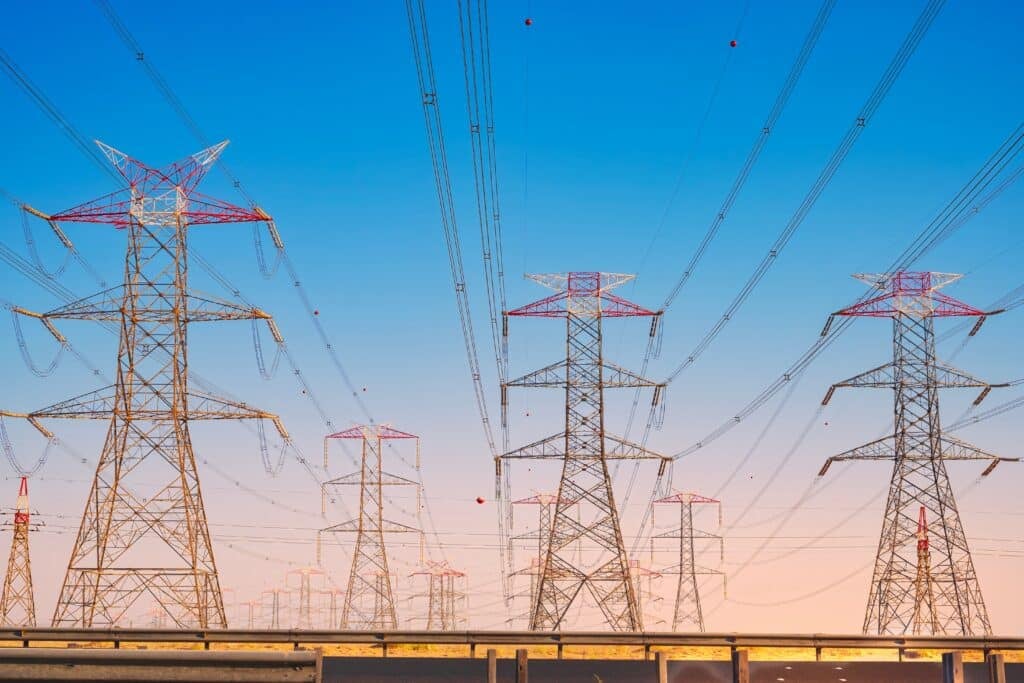
Plugging In: Harnessing Solar For Industrial Electrification

The post Plugging In: Harnessing Solar For Industrial Electrification appeared first on Energy Innovation.

India is poised to surpass the US to become the world’s second-largest renewable energy market, having deployed 45 GW of solar last year alone.
The post Plugging In: Harnessing Solar For Industrial Electrification appeared first on Energy Innovation.[#item_full_content]
U.S. Electricity Bills Are Rising Fast: Which States Are Paying More–and Why

Electricity bills are skyrocketing across the country and various motives are blamed for the rise – everything from the data center boom to volatile fossil fuel prices to federal policies. But the truth of what’s increasing electricity bills is more complicated than a single reason.

Electricity cost increases are driven by a complex web of factors that differ broadly state by state but broadly speaking states that have invested in efficiency and clean energy have seen less volatility in rates than those that rely upon fossil fuels.

So where are electricity bills rising fastest, what’s driving those rising costs, and what can be done to slow them down?

What shapes your electricity bill

Electricity rates vary widely across the United States and are shaped by gas dependence, infrastructure costs, regulatory decisions, and exposure to volatile fossil fuel markets. However, rates themselves do not provide consumers with the full picture of what makes up their monthly electricity bills.

“Rates” reflect the cost of electricity per a given kilowatt-hour, while “bills” reflect the actual amount you pay for electricity, based on how much electricity you use. Rates include some broader energy costs — like the cost a utility company pays to rebuild its grid after a hurricane or wildfire in addition to the profit a utility company earns on investments. Bills on the other hand will often reflect additional costs that the utility didn’t expect to have, such as higher-than-normal costs for fuels burned to generate power.

While rates have increased nationally, average U.S. household electricity bills have risen more slowly — compared to a 40 percent increase[1] in rates. That’s because energy efficiency improvements and distributed resources have cut overall consumption. When consumers use less electricity from the grid or generate their own power, they pay lower bills, even if rates increase over time. High electricity usage for things like cooling and lack of efficiency investment are why states like Alabama and Texas, which have lower than average electricity rates, have some of the highest electricity bills in the country.

American households paid approximately $110 more in electricity costs[2] in 2025 compared to 2024 — and can expect to see costs rise further this year. According to the U.S. Energy Industry Administration, total average revenues per kilowatt-hour rose 9 percent year-over-year in February.[3]

Several key patterns emerge on a state-by-state basis. High electricity rates include reliance on volatile fossil fuel markets, prolonged dependence on costly coal-fired power plants, extreme weather fueled by climate change, and a utility business model that prioritizes profits over customer affordability.

Natural gas prices drive overall bill increases

Volatile natural gas prices and rising demand are a big affordability factor across America, and both push up fuel costs[4] for electricity generation.

Most states that generate more than half of their electricity from natural gas saw their retail rate increases jump[5] 8 percent or more from 2020-2023 including Connecticut, Delaware, Florida, Nevada, Ohio, Pennsylvania, and Rhode Island.

Meanwhile states with the largest compound annual growth rate from 2010 to 2023[6] included California, Maine, Massachusetts, and New Hampshire, where costs rose more than 4 percent annually due to heavy natural gas reliance. This vulnerability was revealed when Russia invaded Ukraine in 2022, sending shockwaves through global gas markets as Europe cut its dependence on Russian gas and other nations sanctioned its exports, cutting global supplies and immediately increasing U.S. gas prices.

New England is another clear case: Constrained gas supply and price spikes have driven sharp increases in electricity costs. Massachusetts, which generates roughly 60 percent of its electricity from gas, has seen rates rise at nearly double the pace of inflation since 2010. During Winter Storm Fern, electricity prices spiked to $400-$700 per megawatt-hour because of surging demand and gas reliance.

But other regions of the country also suffer from volatile gas prices. California’s grid still relies heavily on gas and its energy prices rose 12 percent from 2020 to 2023[7] because roughly 40 percent of its electricity is generated from gas. And Alabama’s rates are the third-highest in America[8] due to its utilities’ heavy dependence on natural gas.[9] 

Costly coal power drags down energy affordability

In other states, utilities continue sinking money into coal plants that cost more to keep running than replacement by new local clean energy resources.[10] Nationally, the cost of generating electricity from coal grew 28 percent from 2021-2024,[11] nearly twice the rate of inflation, adding $6.2 billion to utility customer bills.

The federal government has begun forcing coal plants to stay online past their scheduled retirement dates planned by utilities and their regulators, costing customers more than $315 million[12] as of May 2026. If this pattern continues and plants scheduled to retire between now and 2028 are forced open, ratepayers could pay up to $6 billion annually.[13]

Americans are already feeling the consequences of blocking coal plant retirements. In Michigan, an U.S. Department of Energy order to keep a 60-year-old coal plant online is costing utility Consumers Energy $615,000 per day and $180 million as of March 2025 — costs that will be passed on to customers. In coal-heavy West Virginia electricity rates have surged 73 percent since 2021,[14] sending some companies out of business and driving a significant number of households toward energy poverty.

Extreme weather impacts force costly repairs and price spikes

Worsening extreme weather events caused by climate change are also increasing electricity bills across America. Wildfire costs across the Western U.S., for instance, exceeded $10 billion[15] in 2017, 2018, 2020, and 2021, with many of those costs borne by utility ratepayers.

The costs of repairing wildfire damage and hardening the grid are a significant reason California’s electricity rates have increased. According to the state’s Public Utilities Commission, efforts to reduce wildfire risks in the state that has endured the most destructive wildfire disasters in the country now compose about 16 percent of total utility costs,[16] with $5.5 billion per year coming from consumers’ pockets.

Meanwhile, Southern states are also facing rising costs from extreme weather – the number of billion-dollar weather events nearly tripled in 2020-2024[17] compared to the previous 40 years. Costs of repairing and hardening the grid from increasingly frequent and severe hurricanes gets passed down to customers. Ratepayers in Tampa will pay an average of $20-25 more per month[18] following 2024’s Hurricane Milton, while those in Houston will foot the bill for Hurricane Beryl’s more than $1 billion in damage[19] to the city’s grid infrastructure. Georgia Power filed a request with its regulators to recover nearly $1 billion in storm damages[20] from customers related to Hurricane Helene, and Texas utility customers will have to pay $3.5 billion[21] after Winter Storm Uri spiked gas prices.

Grid costs add up to customer costs

The cost of maintaining and upgrading the grid – and the way utilities are compensated for those services – is a major reason rates are rising. Utilities earn returns on capital investments, which incentivizes large infrastructure spending, even when cheaper solutions exist.

For instance, utilities have dramatically increased spending on transmission and distribution infrastructure, with costs skyrocketing 64 percent[22] from 2016 to 2023 — more than double inflation. But more efficient solutions exist, including squeezing more out of the existing grid or enabling longer-range transmission to unlock cheap wind and solar in far-flung regions.

Prioritizing high-voltage transmission that could bring more cheap renewable energy resources onto the grid and lower wholesale market costs, as well as optimizing current infrastructure through grid enhancing technologies can help lower these rising expenses.

Overcoming barriers to connecting new clean energy can also limit rate increases – modeling suggests that scaling distributed energy — like rooftop solar and battery storage — could save hundreds of billions of dollars[23] by avoiding expensive grid upgrades.

PJM Interconnection, which is America’s largest grid operator spanning 67 million people in 13 states and the District of Columbia, is a standout example of this potential. Power prices surged 49.8 percent in the last five years, but if just 10 percent of the clean energy resources stuck in PJM’s interconnection queue for over five years had been allowed to come online, capacity costs (a large factor in PJM’s rate increases) would have been 20 percent lower,[24] equal to $3.5 billion in costs. 

Clean energy drives rates down

Evidence increasingly shows that states investing in clean energy can slow electricity rate increases. Wind and solar have no fuel costs, and their capital costs have fallen dramatically. Today, utility-scale solar and onshore wind are often the cheapest sources of new electricity generation, even without subsidies. And unlike natural gas, they are not subject to global price shocks.

States that have rapidly expanded wind and solar generation — including Iowa, Kansas, Oklahoma, and New Mexico — have seen electricity rates rise more slowly[25] than inflation since 2010. Most states that have seen a more than 20 percent increase in wind and solar generation since 2010 have also seen their costs fall.

That trend is true across geography and political spectrum and includes Colorado, Minnesota, Nebraska, Nevada, North Dakota, South Dakota, Texas, and Vermont. Meanwhile only four states with comparable renewables growth have seen costs rise above inflation: California, Hawaii, Maine, and Massachusetts.

Even where clean energy standards impose costs, they are modest. Renewable portfolio standard compliance costs average about 4 percent of retail electricity bills[26] across states — hardly enough to explain large rate increases.

Federal policy repeals will increase electricity costs across America

These solutions will become increasingly important for states and grid operators over the next decade – federal repeal of clean energy tax credits in the One Big Beautiful Bill Act[27] are a looming threat to increase electricity bills even further by taking away consumer freedom to generate their own electricity and blocking new renewable energy projects.

Nationally, wholesale electricity prices will increase 74 percent and electricity rates paid by consumers will increase 9-18 percent, both by 2035. 

While prices will rise across the country, five states will be hit hardest by federal repeals, and consumers will see their electricity bills rise the most as demand grows but cheap clean energy is held back from being built, exposing people to volatile fossil fuel price spikes. Household electricity rates will rise 14 percent in Montana, 18 percent in South Carolina, 18 percent in North Carolina, 43 percent in Kentucky, and 76 percent in Oklahoma.

[1] Brendan Pierpont. Clean Energy Isn’t Driving Power Price Spikes. Energy Innovation. (July 2024).

[2] Senate Democrats. Broken Promises: Trump’s Broken Promise To Lower Your Energy Bills. Senate Democrats. (2026).

[3] U.S. Energy Information Administration. Electricity Monthly Update. U.S. Energy Information Administration. (May 2026).

[4] Brendan Pierpont. Clean Energy Isn’t Driving Power Price Spikes. Energy Innovation. (July 2024).

[5] Brendan Pierpont. Clean Energy Isn’t Driving Power Price Spikes. Energy Innovation. (July 2024).

[6] Brendan Pierpont. Clean Energy Isn’t Driving Power Price Spikes. Energy Innovation. (July 2024).

[7] Brendan Pierpont. Clean Energy Isn’t Driving Power Price Spikes. Energy Innovation. (July 2024).

[8] Jennifer Horton. 6 On Your Side Investigates: Alabamians Pay Some Of The Highest Electric Bills In The Country. WBRC 6 News. (November 2025).

[9] Sheree Martin. Why Is Your Power Bill So Dang High?. Energy Alabama. (August 2022).

[10] Eric Gimon, Michelle Solomon, and Mike O’Boyle. The Coal Cost Crossover 3.0. Energy Innovation. (January 2023).

[11] Michelle Solomon. Coal Power 28 Percent More Expensive In 2024 Than In 2021. Energy Innovation. (June 2025).

[12] Sierra Club. How The Trump Admin Is Giving Your Money Away To Fossil Fuel Companies. Sierra Club. (May 2026).

[13] Michael Goggin. The Cost Of Federal Mandates To Retain Fossil-Burning Power Plants. Grid Strategies. (August 2025).

[14] Maggie Manson. Trump Promised To Cut Electric Costs In Half. In Energy-Rich West Virginia, Bills Now Top Mortgages. The Los Angeles Times. (April 2026)

[15] Brendan Pierpont. Clean Energy Isn’t Driving Power Price Spikes. Energy Innovation. (July 2024).

[16] California Public Utilities Commission. 2024 California Electric And Gas Utility Costs Report. California Public Utilities Commission. (September 2025).

[17] National Center for Environmental Information. Southeast Climate Region Summary. National Center for Environmental Information. (2025).

[18] Senate Democrats. Broken Promises: Trump’s Broken Promise To Lower Your Energy Bills. Senate Democrats. (2025).

[19] Senate Democrats. Broken Promises: Trump’s Broken Promise To Lower Your Energy Bills. Senate Democrats. (2025).

[20] Ryan Krugman. Hurricane Helene Is Headed For Georgians’ Electric Bills. Inside Climate News. (February 2026).

[21] Atmos Cities Steering Committee. Texas Gas Utility Customers Face 16 Years Of Charges For Winter Storm Uri Consumption. Atmos Cities Steering Committee. (November 2023).

[22] Brendan Pierpont. Clean Energy Isn’t Driving Power Price Spikes. Energy Innovation. (July 2024).

[23] Brendan Pierpont. Clean Energy Isn’t Driving Power Price Spikes. Energy Innovation. (July 2024).

[24] GridLab. Price Impact Of Additional Renewable & BESS Supply. GridLab. (October 2025).

[25] Brendan Pierpont. Clean Energy Isn’t Driving Power Price Spikes. Energy Innovation. (July 2024).

[26] Berkeley Lab: Energy Markets & Planning. Berkely Lab Published Status Update On State Clean Electricity Standards. Berkely Lab. (August 2024).

[27] Robbie Orvis, Megan Mahajan, and Dan O’Brien. Final Analysis: Economic Impacts Of U.S. “One Big Beautiful Bill Act” Energy Provisions. Energy Innovation. (July 2025).

The post U.S. Electricity Bills Are Rising Fast: Which States Are Paying More–and Why appeared first on Energy Innovation.

A complex web of factors drives electricity cost increases, but states that have invested in clean energy have seen less volatility in rates than their fossil fuel-dependent counterparts.
The post U.S. Electricity Bills Are Rising Fast: Which States Are Paying More–and Why appeared first on Energy Innovation.[#item_full_content]

‘Tis But A Flesh Wound: The Battered U.S. Clean Energy Sector Isn’t Dead…Yet

The post ‘Tis But A Flesh Wound: The Battered U.S. Clean Energy Sector Isn’t Dead…Yet appeared first on Energy Innovation.

The Inflation Reduction Act, passed by Congress in 2022, was the largest-ever federal legislation addressing clean energy and climate.
The post ‘Tis But A Flesh Wound: The Battered U.S. Clean Energy Sector Isn’t Dead…Yet appeared first on Energy Innovation.[#item_full_content]
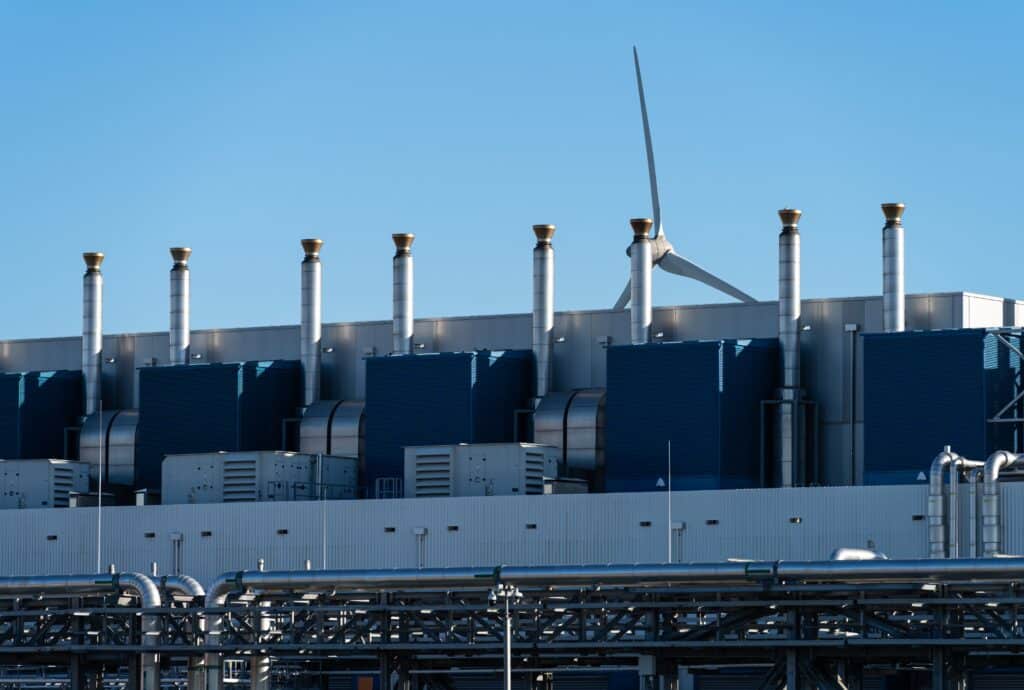
Transitioning Indian Industry To Solar Is An Economic Necessity

The post Transitioning Indian Industry To Solar Is An Economic Necessity appeared first on Energy Innovation.

Indian manufacturing is on a path of sustained growth, expanding more than 10 percent annually between 2023 and 2025.
The post Transitioning Indian Industry To Solar Is An Economic Necessity appeared first on Energy Innovation.[#item_full_content]

Ultra-Cheap Solar And Storage Can Save Indian Industry From Iran War’s Chokehold

The post Ultra-Cheap Solar And Storage Can Save Indian Industry From Iran War’s Chokehold appeared first on Energy Innovation.

New research shows electrified industry powered by low-cost clean energy can cut costs, slash pollution, and save lives.
The post Ultra-Cheap Solar And Storage Can Save Indian Industry From Iran War’s Chokehold appeared first on Energy Innovation.[#item_full_content]

Industrial Carbon Capture Explained: Long-Term and Short-Term Uses

Carbon capture, utilization, and storage (CCUS) can help reduce emissions across the world’s most difficult-to-decarbonize industrial sectors — but its application should be limited to niche uses[1] that cannot be readily electrified like carbon-intensive feedstocks and some high-temperature heat needs. A range of cheaper and more efficient existing options can reduce emissions for many industrial processes.

Nearly a third of total U.S. emissions come from the industrial sector, this is because many production and manufacturing processes require high levels of heat — which come almost entirely from burning fossil fuels. CCUS could play an important role reducing pollution across the industrial sector because of the associated benefits with reducing emissions across broad swaths of production, processing, and manufacturing.

What is CCUS?

CCUS is the process of capturing carbon emissions from fossil fuel-fired power plants or industrial facilities. Carbon dioxide (CO2) is then compressed and transported from a facility, often via pipeline, to either be used as a feedstock to create additional products, or permanently stored underground.

CCUS does have downsides like prolonging the life of fossil fuel infrastructure and generally relying on capital-intensive facilities that keep costs high. It also fails to address the upstream emissions associated with extracting fossil fuels, only captures around 90 percent of CO2 emissions at the point of combustion, and doesn’t address other harmful pollutants produced by burning fossil fuels.

Long-term CCUS applications

However, CCUS could play an important role in reducing long-term industrial emissions, particularly for parts of the manufacturing and production processes where cost-effective solutions to reducing emissions are not yet on the horizon.

Among CCUS’s most promising long-term applications in the industrial sector is the potential to reduce “process emissions,” or emissions separate from energy use that occur as a byproduct of turning raw materials into the end product. Cement, glass, and chemicals, for instance, all produce process emissions that cannot be eliminated by simply cleaning up the fuels used for energy.

CCUS could also be vital to capturing CO2 from burning biofuels or synthetic gas. The important difference between capturing CO2 from biofuel plants versus fossil fuel plants is that the former captures carbon that was released more recently by plants, rather than carbon that’s been stored underground for millions of years. In other words, capturing plant-based emissions avoids adding new carbon to the system.

Near-term CCUS applications

CCUS may be temporarily needed across other industrial processes to reduce near-term emissions before further technological innovations can reduce emissions more permanently.

For instance, the byproducts of crude oil processing — such as refinery fuel gas or petroleum coke — can be converted into “blue hydrogen” rather than just burning those byproducts, which would reduce emissions and enhance efficiency. CCUS may also be critical in the near-term to reduce emissions from high-temperature processes required to manufacture many products. Low-temperature industrial processes that create products like food, paper, textiles, and wood products are better positioned to reduce emissions through electrification[2] — specifically, heat pumps[3] — as high-temperature processes are more difficult and costly to electrify using today’s technologies. But CCUS could play an essential role in reducing near-term emissions throughout high-temperature industrial processes alongside low-carbon fuels.

The technology could also play a larger role addressing emissions from CO2 streams where the carbon is already concentrated and easy to separate, also known as a “high-purity” CO2 stream. This includes sources like ethanol and natural gas, both of which are significantly cheaper to capture[4] than carbon produced through steel production and refining ($60-66 per metric ton of CO2 versus  $159-163/mt CO2). This application may not be necessary long-term, however, as many high-purity CO2 sources will be phased out as more sectors of the economy reduce carbon emissions.

Finally, CCUS is a useful tool to reduce emissions at newly built power plants and industrial facilities that are unlikely to switch to cleaner fuels in the near term because they still have several decades of useful life left.

The future of CCUS

CCUS is a promising method of reducing long-term emissions from some of the hardest to clean up industrial processes and could also be effective in reducing near-term emissions from sectors where decarbonization technology is not yet commercially viable, or when solutions remain otherwise cost-prohibitive.

Because of this, other tools should be a higher priority for the industrial sector to increase efficiency and reduce emissions across the economy more effectively.

Energy and material efficiency remain low-hanging solutions to save manufacturers money while reducing their carbon footprint. The industrial sector should also prioritize electrifying its processes and switching from traditional fossil fuels to lower-carbon fuels like biomass and hydrogen. These strategies are the most effective ways to both reduce fossil fuel demand and replace the fuels themselves. Most importantly, these solutions reduce emissions further up the supply chain by eliminating the need to pull fossil fuels out of the ground in the first place.

[1] Sonali Deshpande. Carbon Capture, Utilization, And Storage (CCUS) In Clean Industry. Energy Innovation. (February 2026).

[2] Jeffrey Rissman. Decarbonizing Low-Temperature Industrial Heat In The U.S.. Energy Innovation. (October 2022).

[3] Energy Innovation. Are Electric Heat Pumps Cheaper Than Gas Furnaces?. Energy Innovation. (March 2026).

[4] U.S. Department of Energy. Pathways To Commercial Liftoff: Carbon Management. U.S. Department of Energy. (April 2023).

The post Industrial Carbon Capture Explained: Long-Term and Short-Term Uses appeared first on Energy Innovation.

Carbon capture, utilization, and storage (CCUS) is the process of capturing carbon emissions from fossil fuel-fired power plants or industrial facilities.
The post Industrial Carbon Capture Explained: Long-Term and Short-Term Uses appeared first on Energy Innovation.[#item_full_content]

Growing energy costs are driving new financial considerations for homeowners and businesses alike, and heat pumps offer an increasingly cost-effective and reliable alternative to dirty, aging gas furnaces and industrial boilers.

Residential heat pumps are outpacing gas furnace sales[1] as the cost, efficiency, and health benefits of the technology become better understood. Industrial heat pumps can also cut costs and reduce pollution, particularly for low-temperature applications. But how do the economics of heat pumps really compare to the economics of gas equipment? And what about the other clean alternatives out there, like hydrogen?

How do heat pumps work?

Heat pumps can be used in a variety of applications to improve heating efficiency, from residential and commercial buildings to low-temperature manufacturing. For homes and businesses, heat pumps provide a safer, cleaner, and more efficient alternative to gas-fired furnaces. In the industrial context, heat pumps can replace gas-fired boilers by providing the steam and hot water needed for low-temperature processes, such as cooking food and drying paper. In total, these low-temperature applications make up about 35 percent of all U.S. industrial process heat demand.[2]

Central to heat pumps’ advantage over gas and other heating alternatives is their efficient use of energy. Heat pumps use electricity to transfer heat energy between a source and a sink, rather than producing heat from electricity or fuel. While even the best boilers and furnaces lose some energy when converting natural gas to heat, heat pumps instead can produce two to five times more heat energy than the electricity they take in— a feat that no other heating source can claim.

States with low electricity prices and high gas prices are an especially attractive market for heat pumps, as are states with high demand for low-temperature industrial heat, including Virginia, North Carolina, Georgia, and Washington.

Heat pump at Princeton University

How do the economics of heat pumps compare to gas?

Although U.S. gas prices remain consistently lower than electricity prices on average, heat pumps are often efficient enough to overcome that cost gap, and reliance on gas for heating comes with many caveats.

Gas equipment relies on volatile natural gas spot markets, leaving the price of fuel — and consumer costs  — vulnerable to geopolitical forces, especially as the U.S. builds more liquid natural gas export facilitates[3] that increasingly ties domestic production to the global market. Gas prices also see dramatic short-term spikes that can be driven by single events. For instance, Winter Storm Uri in 2021 briefly send the Henry Hub spot[4] to $24 per million British thermal units — more than six times the average price for that year.  

Residential Heat Pumps

While heat pumps may require higher upfront costs than gas furnaces, their exceptional efficiency can cut energy costs enough to reduce overall costs — making the technology singular in its ability to make electric heating cost-competitive with gas heating.

Nationwide, residential heat pumps have outsold gas furnaces[5] for four years running, and in September 2025 they passed another milestone when more heat pumps were sold than central air conditioning units. Families are also able to tap state and local government incentives to make heat pumps even more affordable to buy and install.

Industrial Heat Pumps

Heat pumps are poised to boost economic competitiveness and provide other critical economic benefits as well. According to an Energy Innovation simulation,[6] transitioning eligible industrial processes from fossil fuel combustion to heat pumps would increase gross domestic product in the U.S. by more than $42 billion by 2030 and an additional $8 billion by 2050, adding approximately 350,000 jobs across sectors like electricity, construction, finance, and manufacturing over that period.

Switching from gas to electric could also create facility-level cost savings that manufacturers can pass onto consumers.

In the manufacturing sector, heat pumps are best suited for light industries like food and beverage that rely mainly on low-temperature heat (under 200°C, where today’s industrial heat pumps top out). Even though U.S. industry pays around five times more for electricity[7] than for gas[8] on average, research from UC Santa Barbara[9] found that industrial heat pumps can still provide low-temperature heat at lower costs than gas-fired boilers at 12 percent of industrial facilities. And clean energy consulting group E3 found that[10] heat pumps are already cost-competitive enough to replace up to 22 trillion British thermal units of U.S. industrial gas demand, equivalent to the annual natural gas demand[11] of around 390,000 homes. That number would more than quadruple if gas prices were 60 percent higher than the price they modeled.

What about other clean alternatives to burning gas?

Other clean alternatives to gas-fired heating, while promising in other use cases, do not come close to offering the same cost savings as heat pumps.

Electric resistance — Electric resistance is more efficient[12] than gas-fired heat, but heat pumps remain two to five times more efficient than even a perfectly performing electric resistance furnace or boiler. Without the immense efficiency benefits of heat pumps, resistance equipment fails to overcome comparatively higher electricity costs in the same way that heat pumps do.

Renewable natural gas — RNG can be a drop-in replacement for fossil gas in gas-fired equipment with no facility modifications required, making it a seemingly attractive low-carbon alternative. But RNG supplies remain limited: Converting all waste and residue stocks in the U.S. to fuel would meet just 15 percent of national gas demand, while landfill gas[13] would only replace three percent of demand. The outlook for RNG prices remains murky, given limited fuel availability and uncertain demand forecasts.

Hydrogen — Gas utilities are more frequently including hydrogen blending in the distribution system for buildings in their clean energy proposals, but the fuel has no meaningful role[14] as a heating alternative for residential customers due to significant health and safety risks, high costs, and limited emissions reduction potential. While gas utilities use the prospect of hydrogen to justify continued investment in gas pipelines, current systems cannot safely handle a blend of more than 20 percent hydrogen by volume with natural gas. Hydrogen is also an inherently less efficient fuel than gas, only able to deliver roughly one-third of the energy of its natural gas counterpart per unit of volume. Together, these facts mean that even if hydrogen is produced without emitting any greenhouse gases, blending it into the natural gas distribution system would reduce climate pollution by less than seven percent.

Health and safety risks associated with hydrogen can also lead to higher costs for both the consumer and the provider. The highly flammable fuel carries a higher risk of explosions and damaging appliances, and it emits higher rates of the harmful respiratory pollutant nitrogen oxide.

Finally, the high costs of hydrogen simply don’t pencil out for consumers. A meta-review of 54 independent studies[15] found that none of the research supported the possibility of heating with hydrogen at scale, and the evidence overwhelmingly finds hydrogen heating is more costly and less efficient than alternatives — including heat pumps. Overall, the review found hydrogen heating would lead to 86 percent higher consumer costs.

The future of heat pumps

As energy costs rise, heat pumps stand out as a practical, cost-effective alternative to gas across homes, buildings and industry. Their superior efficiency and clear economic benefits make the technology an increasingly compelling choice.

Other low-carbon options may have a role to play in specific applications, but none currently match the scalability and cost advantages of heat pumps. In the absence of federal action, states with ambitious climate goals should look to supporting heat pumps as part of their efforts to enable cleaner air and cheaper energy bills.

[i] Alison F. Takemura, “Heat Pump Sales Dipped In 2025. They Still Beat Gas Furnaces.,” Canary Media., (2026): https://www.canarymedia.com/articles/heat-pumps/heating-cooling-sales-us-gas-furnaces

[ii] Jeffrey Rissman, “Decarbonizing Low-Temperature Industrial Heat In The U.S.,” Energy Innovation, (2022): https://energyinnovation.org/report/decarbonizing-low-temperature-industrial-heat-in-the-u-s/

[iii] U.S. Federal Energy Regulatory Commission, “U.S. LNG Export Terminals – Existing, Approved Not Yet Built, And Proposed,” U.S. Federal Energy Regulatory Commission, (2026): https://www.ferc.gov/media/us-lng-export-terminals-existing-approved-not-yet-built-and-proposed

[iv] U.S. Energy Information Administration, “U.S. Natural Gas Prices Spiked In February 2021, Then Generally Increased Through October,” U.S. Energy Information Administration, (2022): https://www.eia.gov/todayinenergy/detail.php?id=50778&

[v] Alison F. Takemura, “Heat Pump Sales Dipped In 2025. They Still Beat Gas Furnaces.,” Canary Media., (2026): https://www.canarymedia.com/articles/heat-pumps/heating-cooling-sales-us-gas-furnaces

[vi] Jeffrey Rissman, “Decarbonizing Low-Temperature Industrial Heat In The U.S.,” Energy Innovation, (2022): https://energyinnovation.org/report/decarbonizing-low-temperature-industrial-heat-in-the-u-s/

[vii] U.S. Energy Information Administration, “Electric Power Monthly: Table 5.6.A. Average Price of Electricity to Ultimate Customers by End-Use Sector,” U.S. Energy Information Administration, (2026): https://www.eia.gov/electricity/monthly/epm_table_grapher.php?t=epmt_5_6_a

[viii]  U.S. Energy Information Administration, “Table 3. Selected National Average Gas Prices, 2020-2025,” U.S. Energy Information Administration, (2026): https://www.eia.gov/naturalgas/monthly/pdf/table_03.pdf

[ix] UC Santa Barbara The 2035 Initiative, “The Clean Heat Climate Opportunity: A Roadmap for Electrifying Low- and Medium-Temperature Industrial Heat,” UC Santa Barbara, (2026): https://www.2035initiative.com/clean-manufacturing

[x] Center for Applied Environmental Law and Policy, “Decarbonizing Industrial Heat: Measuring Economic Potential and Policy Mechanisms,” Center for Applied Environmental Law and Policy, (2024): https://www.ethree.com/wp-content/uploads/2024/10/CAELP-E3-Industrial-Electrification-Report.pdf

[xi] U.S. Energy Information Administration, “Residential Energy Consumption Survey: 2020 RECS Survey Data,” U.S. Energy Information Administration, (2024): https://www.ethree.com/wp-content/uploads/2024/10/CAELP-E3-Industrial-Electrification-Report.pdf

[xii] Center for Applied Environmental Law and Policy, “Decarbonizing Industrial Heat: Measuring Economic Potential and Policy Mechanisms,” Center for Applied Environmental Law and Policy, (2024): https://www.ethree.com/wp-content/uploads/2024/10/CAELP-E3-Industrial-Electrification-Report.pdf

[xiii] Center for Applied Environmental Law and Policy, “Decarbonizing Industrial Heat: Measuring Economic Potential and Policy Mechanisms,” Center for Applied Environmental Law and Policy, (2024): https://www.ethree.com/wp-content/uploads/2024/10/CAELP-E3-Industrial-Electrification-Report.pdf

[xiv] Dan Esposito, “Blending Hydrogen Into Gas Pipelines Would Enrich Utilities And Harm Californians,” Los Angeles Times, (2026): https://www.latimes.com/opinion/story/2026-02-16/hydrogen-california-natural-gas-pipelines

[xv] Jan Rosenow, “A Meta-Review of 54 Studies on Hydrogen Heating,” ScienceDirect, (2024): https://www.sciencedirect.com/science/article/pii/S2949790623000101?ref=pdf_download&fr=RR-2&rr=9e4ff8214d7b93a4

The post Are Electric Heat Pumps Cheaper Than Gas Furnaces? appeared first on Energy Innovation.

Residential heat pumps are outpacing gas furnace sales as the cost, efficiency, and health benefits improve with the technology.
The post Are Electric Heat Pumps Cheaper Than Gas Furnaces? appeared first on Energy Innovation.[#item_full_content]

What Is Surplus Interconnection? And Why It Could Unlock the U.S. Power Grid

The United States’ power grid is facing a new era of electricity demand growth as data centers come online and factories, electric vehicles, and buildings switch to affordable electric technologies.

But we’re still stuck in yesterday’s approach to connecting new electricity generation resources to our power grid. On average, a power plant that wants to connect to the grid must wait five years or more before it can supply power. With aging coal plants retiring while data centers and electric vehicles seek new power supplies, this wait time is simply too slow. Using existing connection points can bring projects online in two or three years compared to an average of five for the standard process.

Meanwhile, electricity prices have soared 13 percent since January 2025, and a big portion of that increase is the price of building new poles and wires even though electricity generation costs are falling.

Fortunately, an innovative policy shortcut can speed up the time to connect to the grid and help reduce the amount of new infrastructure we need to build – surplus interconnection. The potential is massive – Researchers from UC Berkley estimate that over 1,000 gigawatts of new wind and solar and 260 gigawatts of energy storage[1] could be added to the grid.

America’s electricity system currently has about 1,300 gigawatts (GW) of power capacity installed across thousands of power plants, but we have over 2,200 additional GW just waiting in line to connect.[2] While likely not all of these projects are viable, it demonstrates the massive barrier that interconnection has come to represent. These projects are typically delayed by studies that determine exactly how they need to be connected, as well as by the process of building that infrastructure.

The key to surplus interconnection is that many existing fossil fuel power plants aren’t running or using the grid infrastructure allocated to them all of the time. Because these power plants and transmission lines aren’t being used 100 percent of the time (generators on average are only in use 50% of the time),[3] this “surplus” space on the power grid means we can add more new electricity generation right where these existing power plants are by sharing a grid connecting with existing infrastructure, plugging into the grid without having to build any new lines or towers.

Think about it like this: Railroad tracks are only used 10-30 percent of the time, and hit their highest use during rush hour. But the tracks are available 100 percent of the time, just waiting around ready to be used. What if trains used this time to transport other goods, getting things where they need to go without needing to build any additional tracks?

The best candidates for sharing a grid connection using surplus interconnection include peaking gas power plants that only turn on during the times of highest electricity demand, wind plants that mostly generate at night, or any solar plant that can combine with battery storage to soak up cheap power during the day and discharge at night during the evening air conditioning peak. This helps cut costs for families and businesses because it uses  existing poles and wires for a larger percentage of the time, which means that the fixed costs of the grid can stay lower.

These existing connections to the grid have already been studied and approved by grid operators, and in most cases, making better use of these connections should avoid costly grid upgrades that can drive up the price of new power projects.  For example, in 2017 a solar project in Kansas that was trying to connect to the grid via the typical interconnection process that involved building new power lines, facing costs of over $300/kW for these upgrades and an expected completion date in 2025. Four years later, a similar solar project in the neighboring county requested to connect via surplus interconnection in 2021 – interconnection costs this time were less than $1/kW, and completion date was only two years later in 2023.[4]

Surplus interconnection goes into action in Utah

In Utah, an 80 megawatt (MW) solar facility in Emery County[5] added battery storage, enabling the power plant to store electricity during the day and export it to the grid during peak evening hours. Typically, this would require new interconnection studies and upgrades to allow the solar and batteries to inject power into the grid simultaneously, requiring wires double the size.

However, because the batteries would be operated in the evening when the solar project was not generating electricity, the two projects could simply use the existing 80 MW connection and output power to the grid at different times, turning the facility into a reliability powerhouse without paying or waiting for any upgrades to the grid.

Now, PacifiCorp is planning for a similar arrangement at four more sites across the state,[6] aiming to add an additional 320 MW of storage with no grid upgrades. The agreement is simple – the operator can use the solar and batteries as they see fit, as long as the overall grid output does not exceed the 80 MW maximum.  

Surplus interconnection is gaining traction across the country. In 2026, Indiana and Virgina passed legislation to promote surplus interconnection.[7] In Virginia, two utilities will now be required to evaluate how much surplus interconnection capacity is available at existing and planned renewable sites. In Indiana, utilities are now required to analyze and include surplus interconnection’s potential to meet grid needs as a part of utility planning processes.

Generator replacement goes a step beyond surplus in Minnesota

Surplus interconnection can add new generation at existing power plants, but the same concept can also be applied to dozens of large old power plants across America that are planning to retire in the next five years, leaving their connections to the grid open to replacement resources.

In Minnesota, one local utility is using the interconnection capacity left behind by the retirement of the Sherco coal plant to add over 900 MW of solar alongside 600 MW of energy storage[8], and is connecting to the grid using the poles and wires left behind by the of the retiring 2,200 MW coal plant. The new Sherco Energy Hub will be able to tap federal tax credits before they are repealed by the One Big Beautiful Bill Act because the speed of the generator replacement process will allow the utility, Xcel Energy, to break ground by the 2026 July deadline.

The surplus opportunity could meet the needs of today

With surplus interconnection and generator replacement available as proven strategies to bring needed power online quickly, America can accelerate the way projects connect to the grid––reducing costs for developers, and ultimately all electricity customers. could be added to the grid. Now is the time to take advantage.

[1] Umed Paliwal, Emilia Chjkiewicz, Nikit Abhyankar, Amol Phadke, “Existing plants sharing grid access with renewables can lower costs and double U.S. generation capacity,” GridLab, UC Berkeley, (2025): https://gridlab.org/portfolio-item/surplus-interconnection-technical-report/

[2] Joseph Rand et al, “Queued Up: 2025 Edition,” Lawrence Berkeley National Laboratory, (2025): https://emp.lbl.gov/sites/default/files/2025-12/Queued%20Up%202025%20Edition%20-%2012.15.2025.pdf

[3] Ryan Hledik, Long Lam, Kate Peters, “The Untapped Grid: How Better Utilization of the Power System Can Improve Energy Affordability,” The Brattle Group, (2026): https://www.brattle.com/wp-content/uploads/2026/03/The-Untapped-Grid-Mar-2026.pdf

[4] Chelsea Mattioda, Sarah Shenstone-Harris, Sophie Schadler, Jack Smith, “No-Regrets Solutions for Accelerating Grid Interconnection,” Synapse Energy Economics, Inc., (2024): https://www.synapse-energy.com/sites/default/files/No-Regrets%20Solutions%20for%20Accelerating%20Grid%20Interconnection_Final%20Synapse%20Report%208.19.24%2023-132.pdf.

[5]Robert Eckenrod, “RE: PacifiCorp, Docket No. ER25-____-000 Surplus Large Generator Interconnection Agreement and Energy Displacement Agreement”, PacifiCorp, (2025): https://pscdocs.utah.gov/misc/25docs/2599901/340389RMPSrplsLrgGnrtrIntrcnctnAgrmntEnrgyDsplcmntAgrmntFERCER2526296-26-2025.pdf?

[6] “Utah 2025 Integrated Resource Plan”, PacifiCorp, (2025): https://pscdocs.utah.gov/electric/25docs/2503522/339034RMP2025IRPVlmI3-31-2025

[7] Ethan Howland, “Virginia, Indiana lawmakers pass surplus interconnection bills,” Utility Dive, (2026): https://www.utilitydive.com/news/virginia-indiana-surplus-interconnection-pjm-miso-spp/813442/

[8] Brian Martucci, “Xcel doubles down on plan to swap coal for clean power in Minnesota,” Canary Media, (2025): https://www.canarymedia.com/articles/energy-storage/xcel-minnesota-increase-battery-solar-sherco

The post What Is Surplus Interconnection? And Why It Could Unlock the U.S. Power Grid appeared first on Energy Innovation.

Surplus interconnection is gaining traction in the United States for its ability to add new generation at existing power plants.
The post What Is Surplus Interconnection? And Why It Could Unlock the U.S. Power Grid appeared first on Energy Innovation.[#item_full_content]

Hirebucket

FREE
VIEW